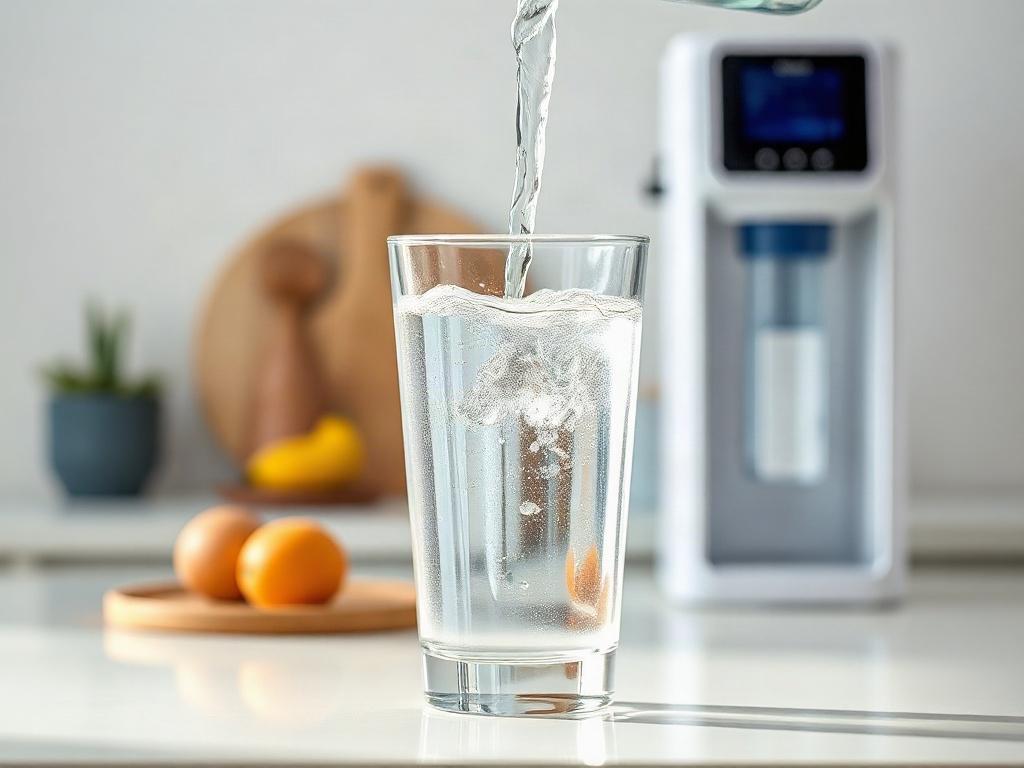
Reverse osmosis systems have become a popular upgrade in Long Island kitchens. The water tastes clean, and it's free of many of the contaminants people worry about. Still, you've probably heard someone say that RO water strips out "good" minerals and isn't healthy to drink every day. So what's the real story?
A reverse osmosis system pushes water through a semipermeable membrane with tiny pores. Water molecules pass through, while most dissolved substances get left behind and flushed away. Most home systems also include carbon and sediment filters to catch chlorine, dirt, and other particles before and after the membrane. The result is water that's much purer than what comes out of a standard tap.
A quality RO system can significantly reduce a long list of contaminants, including:
That's a big reason so many homeowners choose it, especially in areas with older pipes or private wells.
The most common concern about RO water is that it removes healthy minerals like calcium and magnesium. That part is true. The membrane doesn't pick and choose, so it filters out beneficial minerals along with contaminants.
What often gets overlooked is how much those minerals actually matter in your water. For most people, food is by far the main source of calcium, magnesium, and other nutrients. Dairy, leafy greens, nuts, beans, and whole grains provide much more than a few glasses of tap water. If you eat a reasonably balanced diet, RO water isn't likely to leave you short.
A 2005 World Health Organization report did raise questions about drinking low-mineral water over long periods. Some studies have linked very low magnesium in drinking water to heart health concerns, though the evidence is mixed and often comes from populations with poor diets. Keep this in mind, especially if your diet is low in these minerals.
RO water is safe for most people to drink daily, but a few honest trade-offs are worth keeping in mind.
RO systems remove most fluoride, which many communities add to tap water to help prevent cavities. If your family relies on that benefit, talk with your dentist. Fluoride toothpaste or other treatments can usually fill the gap.
Some people find pure RO water tastes a little flat, since minerals contribute to flavor. Older systems can also send several gallons down the drain for every gallon they produce. Newer models are much more efficient, so ask about that when you shop.
Adding Minerals Back InIf you'd like the purity of RO with a touch of minerals, a remineralization filter is an easy solution. It adds small amounts of calcium and magnesium back into the water after filtration.
An RO system is only as good as its upkeep. Filters and membranes wear out, and a neglected system can let contaminants slip through or even allow bacteria to grow in the storage tank. Most prefilters need replacing every 6 to 12 months, while membranes typically last a few years. Regular service keeps your water clean and your system running the way it should.
For most healthy adults, drinking reverse osmosis water every day is perfectly safe. It's a strong option if you're dealing with lead, nitrates, PFAS, or other contaminants in your supply. If you have specific health conditions or concerns about mineral intake, check with your doctor. Testing your water first can also help you decide which type of system makes the most sense.
If you're thinking about reverse osmosis or have questions about your home's water, we'd love to help. Our team will discuss your concerns, recommend the right solution, and make sure your system works the way it should. Contact Aqua Doctor today to schedule a visit.
Stay updated on our news and events! Sign up to receive our newsletter.